Become A Dentist Dental Instruments Guide
Know every tray item before you race the clock or raise pain level.
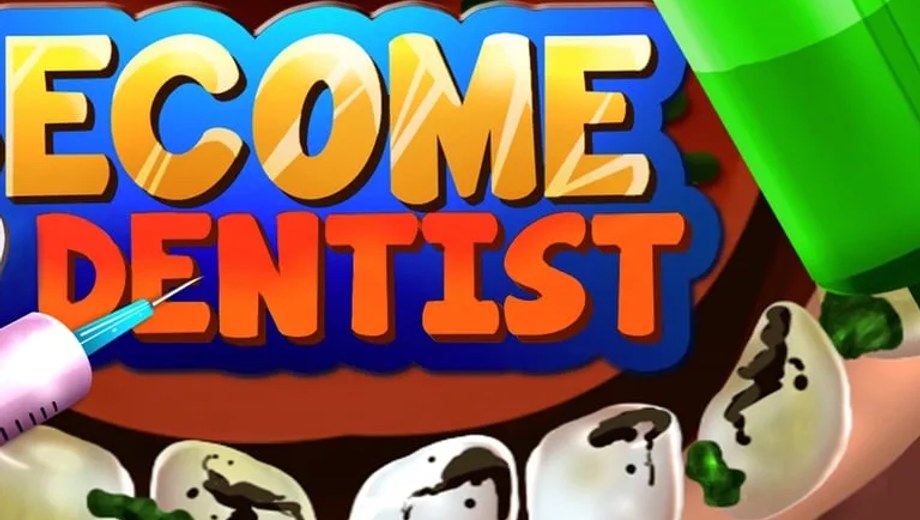
Become A Dentist sells a simple fantasy: you sit on the other side of the chair with a full set of dentist instruments and five clients who need work. PLAYTOUCH’s official pitch highlights ten instruments, five patients, Time Attack, and five pain levels. This page is the tray manual—what the kit is for, how to handle it, and how it connects to treatment order, patient types, and the instruments ranking.
If you are brand new, skim Getting Started and How to Play first, then return here when the tray feels crowded.
What the ten-instrument kit actually does
The game never pretends to be a medical textbook. Instruments exist to support a skill loop: examine the mouth, remove or clean problem teeth, and finish care so the patient can leave healthier than they arrived. Marketing copy talks about tearing, curing, and cleaning a multitude of teeth with “accessories of torture” played for comedy—the same tools you fear at a real clinic, flipped into your hands.
Think of the tray in three practical buckets even if the UI shows ten discrete icons:
- Inspection and access — tools that help you see, open, or target the problem tooth.
- Cleaning and soothing — tools that clear debris, blood cues, or surface mess before deeper work.
- Corrective finishers — tools that extract, repair, or complete the step the current patient requires.
You still pick from ten items, but grouping them this way stops random clicking. When a step fails, ask which bucket you skipped rather than mashing every icon.
Handling basics that apply to every instrument
- Select with intent. Hover or tap only when you know the next legal step. Curiosity clicks burn Time Attack seconds and confuse muscle memory.
- Commit to short motions. Casual dental sims reward decisive taps and drags more than tiny jittery corrections.
- Watch patient feedback. Pain reactions and chair animations are soft tutorials. If the patient flinches harder, you likely jumped ahead or lingered on the wrong tool.
- Reset mentally between patients. The five clients do not share identical mouths. Carry the order mindset, not a single fixed click path.
Pain level multiplies every mistake. On level one you can experiment. On level five, an out-of-sequence pick feels expensive. Raise difficulty only after instrument roles feel automatic—see Tips and Tricks for practice drills.
Instruments and the strict order rule
Official how-to text is blunt: you use real-dentist tools and must follow a strict order of things to heal the patient. Instruments are not a sandbox toybox. Each pick is a step in a script. The Treatment Order page explains why sequence beats raw tool knowledge; this page explains why each role exists inside that sequence.
A reliable study method:
- Complete one full visit naming each instrument as you use it.
- Note which picks felt like inspection, cleaning, or finishing.
- Replay and refuse to pick a finishing tool before the earlier buckets are done.
- Only then compare your notes to the instruments ranking for speed priorities.
Time Attack changes the stakes, not the tray
Time Attack uses the same ten instruments. What changes is forgiveness. Hesitation, mis-clicks, and backtracking erase score. Build a short pre-fight ritual: identify the patient’s obvious problem, recall the opening instrument, and keep your cursor near the tray path you expect to walk. Ranking pages help you decide which tools deserve muscle memory first; Time Attack is where that memory pays rent.
Cross-title notes: original vs Dentist 2
The original 2015 title (Web / Android / iOS, package net.playtouch.becomeadentist) centers the classic ten-instrument clinic. Become a Dentist 2 expands the fantasy with X-ray, laser cams, sprays, syringes, and cotton, plus infection-cleanup framing (bugs, blood, bacteria). If you play both, treat Dentist 2 as “more diagnostic gadgets, same heal-the-chair fantasy.” Details live on Become a Dentist 2. Do not assume every sequel tool exists in the original tray.
Practice plan for instrument mastery
Session A — Naming. One patient, lowest pain, narrate every pick. Goal: never wonder what you clicked.
Session B — Buckets. Same patient; force inspection → cleaning → finishing without skipping.
Session C — Transfer. New patient; reuse the bucket logic even when icons feel different.
Session D — Pressure. Open Time Attack only after Sessions A–C feel boring.
Pair this plan with the Patients Hub so chair personalities stop surprising you mid-tool.
Common instrument mistakes
- Finishing early. Yanking a corrective tool before cleaning or inspection steps usually breaks the script.
- Cleaning forever. Over-scrubbing after the mouth is ready wastes Time Attack and can desync the order.
- Ignoring pain cues. Higher pain levels are not just louder audio—they demand tighter order discipline.
- Copying a friend’s path blindly. Five patients means five mouths. Learn roles, not a single recorded macro.
Where to go next
- Tools Hub — overview of the clinic toolkit section
- Treatment Order — sequence rules that make instruments work
- Instruments Ranking — priority tiers for tough clears
- Patient Types — how clients change what you need from the tray
- Tips and Tricks — recovery habits when a visit goes sideways
- Wiki — play links and related resources
Master the tray vocabulary here, then enforce it with treatment order. That combination is the difference between a comedy clicker and a clean dental sim clear.
Frequently Asked Questions
Quick answers to the most common questions.
How many instruments does the original game include?
Become A Dentist features ten dentist instruments. You select them from the clinic tray while treating each of the five patients.
Can I use instruments in any order?
No. The game requires a strict treatment order. Picking the right tool at the wrong step will block progress or waste Time Attack seconds.
Do instruments change in Time Attack mode?
The tray stays the same. Time Attack only adds score pressure, so efficient, ordered picks matter more.
Which sequel tools are not in the original?
Become a Dentist 2 highlights X-ray, laser cams, sprays, syringes, and cotton. Confirm on the Dentist 2 page before expecting those gadgets in the 2015 game.
What should I practice first?
Learn instrument roles on low pain, then lock the treatment order, then raise pain level or open Time Attack.